


Illuminating Workspaces: Why Ergonomic Under Cabinet Lights Are Crucial for Kitchen Countertops and Offices
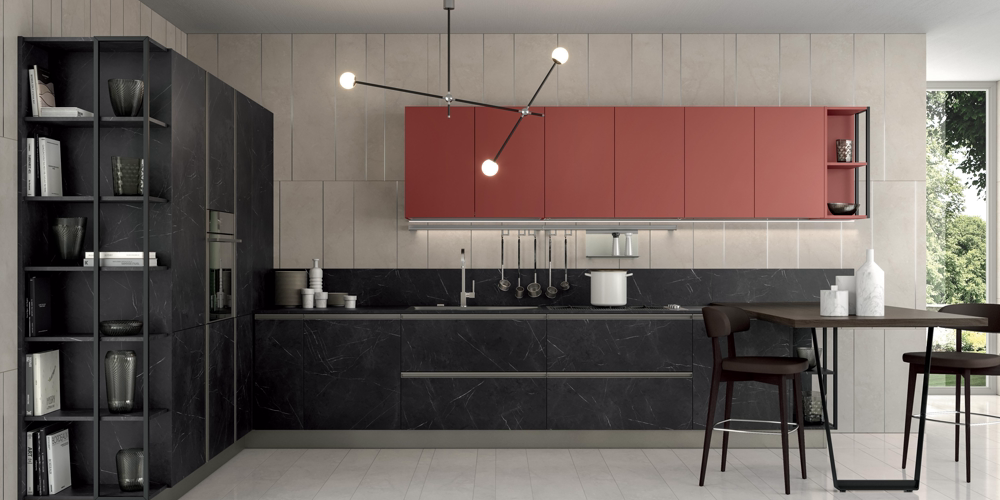
As an engineering-driven luminaire manufacturer with over a decade of dedicated research in architectural and residential LED solutions, I have observed a fundamental shift in how commercial procurement officers, interior designers, and distributors evaluate lighting infrastructure. The modern workspace—whether an executive corporate office, a hospitality kitchenette, or a high-end residential kitchen—demands more than ambient illumination. It requires precise, ergonomically designed optical systems that directly address user comfort, operational safety, and task performance.
At the center of this industry movement is the high-performance Under Cabinet Light. Modern millwork and office joinery often create unwanted shadows under overhead shelving, causing eye strain and reducing efficiency. In this technical article, I will outline why integrating ergonomic task lighting is essential for modern project sourcing and how B2B buyers can identify superior luminaire designs.
The Optical Challenge in Modern Work Environments
In both office workstations and residential meal preparation areas, ambient overhead lighting frequently fails to deliver sufficient foot-candles (lux) directly to the working surface. Overhead fixtures position the user between the primary light source and the countertop, casting dark shadows across the active area.
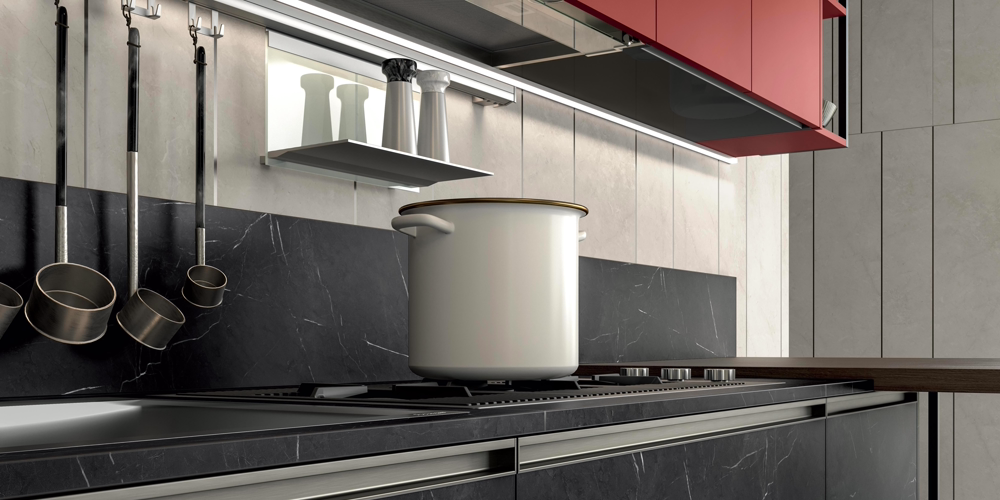
Integrating specialized Kitchen Countertop Lighting and workstation illumination effectively eliminates these shadows, providing consistent illumination across the target plane. For precision activities—such as reading technical documents, operating office equipment, or executing precise knife work in high-end kitchen environments—targeted task lighting is non-negotiable.
Key Factors in Ergonomic Task Lighting Design
When engineering a commercial-grade Workspace Under Cabinet Lamp, our design team focuses on three critical optical and electronic parameters:
- Glaring Control and Diffused Optics: Direct LED glare induces visual fatigue and headaches during prolonged exposure. Implementing an advanced Anti-Glare Cabinet Fixture with milky acrylic diffusers, prismatic lenses, or micro-louver technology ensures uniform light distribution while keeping the Unified Glare Rating (UGR) well below industry risk thresholds.
- Color Rendering and Thermal Management: High Color Rendering Index (CRI ≥ 90, R9 > 50) is mandatory to represent colors accurately, which is vital for both design offices and commercial kitchens. Furthermore, integrated aluminum extrusions dissipate heat efficiently, preventing premature luminous flux degradation.
- Versatile Task Lighting For Cabinets: Modern installations require versatile form factors. Whether utilizing ultra-thin profiles, embedded recessed channels, or surface-mounted linear bars, luminaires must integrate seamlessly into diverse cabinet joinery without compromising structural integrity or aesthetic minimalism.
The B2B Sourcing Perspective: Durability, Compliance, and Integration
For B2B distributors, OEMs, and project specifiers, evaluating luminaires extends beyond immediate aesthetic appeal. As a manufacturing partner, I always recommend evaluating three core technical indicators during procurement:
- ·Electrical Safety & Certifications: Ensure fixtures carry global certifications (such as CE, RoHS, UL, or ETL) and utilize reliable constant-voltage drivers to prevent micro-flickering that exacerbates eye strain.
- ·Modularity and Installation Efficiency: B2B buyers should prioritize quick-connect cabling systems, daisy-chain capabilities, and flexible mounting options (magnetic, screw-mount, or adhesive) to minimize on-site labor costs for contractors.
- ·Energy Efficiency & Longevity: High-efficacy LEDs offering 100+ lm/W significantly reduce long-term operational costs for commercial facilities while supporting sustainability initiatives like LEED and WELL building standards.
Conclusion: Partnering with Expertise
Ergonomic under-cabinet illumination is no longer an optional upgrade; it is a critical component of modern workspace health and safety standards. By selecting a dedicated manufacturer capable of tailoring beam angles, color temperatures, and optical diffusion, commercial buyers can deliver superior value to end-users while maximizing market competitiveness.
Post time: Oct-13-2026