


Retail Displays and Showcase Aesthetics: How High-Lumen Under Cabinet Luminaries Boost Product Visibility
In the highly competitive commercial environment of modern brick-and-mortar retail, visual merchandising is not merely an artistic choice—it is a direct driver of conversion, brand equity, and commercial revenue. As an engineering and procurement consultant specializing in architectural lighting systems, I have spent decades analyzing how photonic distribution impacts customer behavior in high-end retail spaces. Over years of field testing and commercial deployment, one architectural truth has consistently emerged: traditional overhead ambient illumination alone cannot adequately capture product detail, texture, or true color fidelity. To bridge this critical gap, commercial specifiers must strategically deploy high-efficacy Under Cabinet Luminaries tailored specifically for linear shelving and display cases.
1. The Photometric Imperative in Modern Merchandising
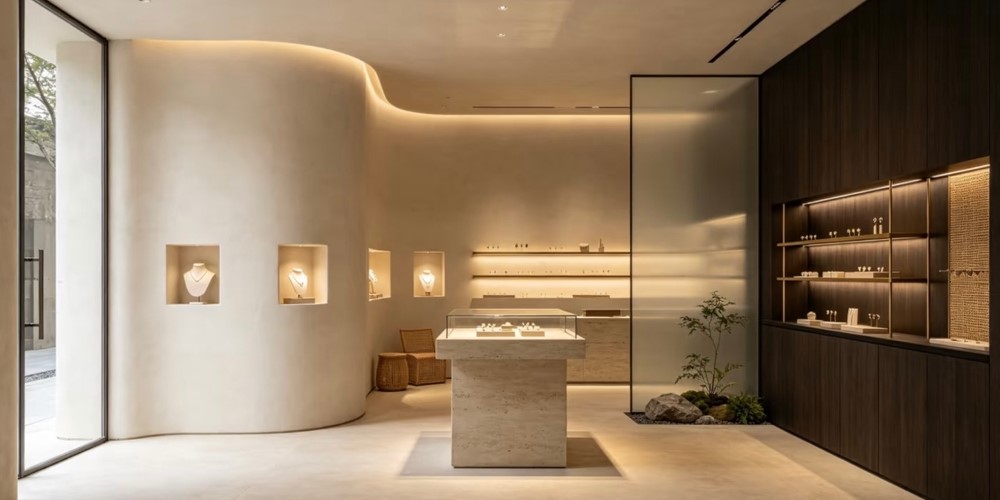
When engineering premium retail environments—whether for luxury jewelry, haute horlogerie, boutique cosmetics, or high-end electronics—the primary goal is to minimize shadowing and eliminate optical dead zones. Standard troffers and downlights deliver ambient light, but they naturally create harsh shadows on lower display tiers due to structural overhangs. This is where specialized Retail Display Lighting becomes an essential structural asset rather than an aesthetic afterthought.
By positioning dedicated luminaries directly beneath upper shelving units, we project uniform flux precisely onto the target merchandise plane. However, achieving superior visual clarity requires more than just adding ambient brightness; it demands high luminous efficacy paired with exceptional color rendering (CRI > 95, R9 > 90). When merchandise is bathed in full-spectrum, shadow-free illumination, subtle material characteristics—such as the grain of fine leather, the brilliance of precious gemstones, or the metallic sheen of precision electronics—are fully articulated, directly influencing consumer perception and purchasing confidence.
2. Engineering the Perfect Showcase Cabinet Luminaire
In showcase design, thermal management and optical precision are paramount. Integrating a high-performance Showcase Cabinet Luminaire requires a delicate balance between compact form factor, thermal dissipation, and anti-glare control. In my engineering practice, I consistently advocate for low-profile aluminum extrusions fitted with custom optical diffusers. These diffusers eliminate hot spots and micro-reflections that frequently obscure product details on glass or polished metal surfaces.
Integrated shelf illumination transforms raw display real estate into an active sales tool. By combining high lumen output with tight optical control, commercial buyers can direct customer gaze with surgical precision.
Furthermore, enclosed glass showcases present strict thermal constraints. Excess heat generated by sub-standard lighting fixtures can damage delicate merchandise, degrade internal electronic drivers, and create uncomfortable thermal micro-climates within the store. Therefore, when specifying luminaries for enclosed showcases, we prioritize high-efficacy LED engines coupled with extruded aircraft-grade aluminum heat sinks. This design ensures that thermal energy is efficiently managed without relying on noisy mechanical cooling, preserving both product integrity and fixture longevity across multi-year operational lifespans.
3. Luminous Flux and Contrast Ratios: Deploying High Lumen Task Light Solutions
A common mistake in commercial lighting design is under-specifying fixture output to avoid perceived glare. In commercial retail, ambient lighting typically hovers around 300 to 500 lux. To establish a compelling visual hierarchy that draws the shopper’s eye toward featured merchandise, the accent lighting on the product plane should achieve a focal contrast ratio of at least 3:1 or 5:1 relative to the surrounding environment—often requiring 1,500 to 2,500 lux at the shelf level.
To achieve this level of focal intensity without compromising energy budgets, specifying a high-density High Lumen Task Light is mandatory. By leveraging advance Binning technology and high-lumen-density LED arrays, modern fixtures deliver high lux levels at superior energy efficiency (exceeding 110–130 lm/W). This high-output capability ensures that products displayed on lower or deeply set shelves receive bright, crisp illumination that immediately commands attention from walking store traffic.
4. Structural Versatility in Commercial Shelf Lighting Systems
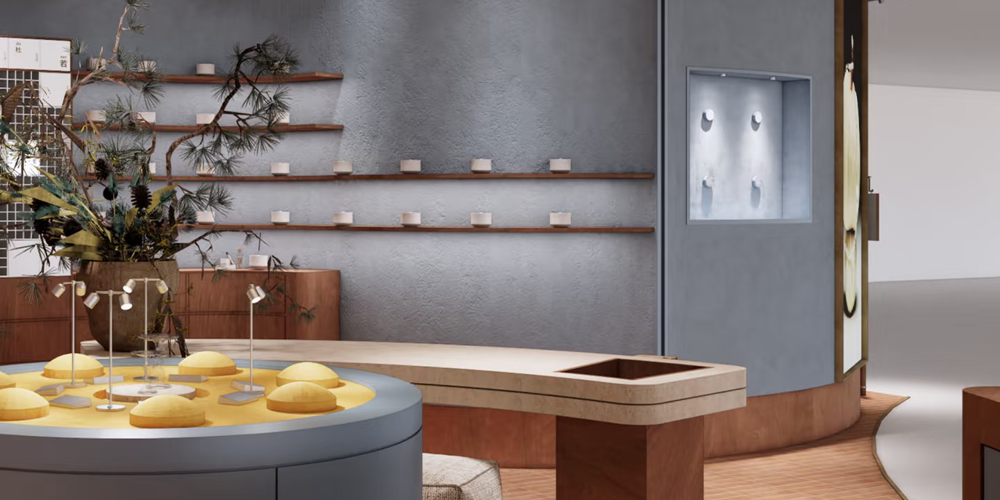
From an installation and maintenance perspective, commercial contractors and facility managers require fixtures that streamline field installation and simplify future reconfigurations. Heavy, cumbersome fixtures with complex wiring harnesses add unnecessary labor costs to large-scale retail fit-outs. Modern Commercial Shelf Lighting systems address this challenge through modular, linkable architecture and quick-connect daisy-chaining capability.
In our commercial projects, we mandate low-voltage (24V DC) magnetic or plug-and-play track integrations. This allows visual merchandising teams to effortlessly adjust shelf heights or swap out lighting modules without calling an electrician or risking electrical safety hazards. Furthermore, integration with commercial dimming protocols—such as 0-10V, DALI, or wireless mesh controls—enables dynamic lighting scheduling, automated energy harvesting, and subtle day-to-night lighting transitions that align with store operational hours.
5. Commercial ROI and Procurement Considerations for B2B Buyers
For B2B procurement managers and commercial contractors, evaluating lighting fixtures extends beyond initial capital expenditure (CapEx); it centers on total cost of ownership (TCO) and commercial return on investment (ROI). Investing in premium, certified architectural luminaries directly reduces operational expenditure (OpEx) by minimizing maintenance cycles, lowering HVAC thermal loads, and extending operating lifespans to L80B10 @ 50,000 hours.
More importantly, empirical retail studies consistently demonstrate that optimized display lighting directly correlates with increased dwell time and higher average transaction values. When products are presented with clarity, brilliance, and visual comfort, perceived brand value increases exponentially. As commercial specifiers, choosing reliable, high-efficacy display luminaries is not merely an equipment purchase—it is a strategic investment in retail performance, operational sustainability, and brand excellence.
Post time: Aug-21-2026