


Kitchen & Bath Design Forecast 2027: Ultra-Slim Under Cabinet Luminaries Redefining Luxury Millwork
As commercial lighting designers, architectural engineers, and high-end cabinetry OEM manufacturers look ahead to 2027 interior specifications, one design imperative dominates the high-end residential and commercial hospitality sectors: seamless architectural integration. Today’s luxury millwork is no longer defined merely by exotic hardwoods, soft-close hardware, or bespoke joinery. It is increasingly defined by how light interacts with architectural form. At the heart of this transformation is the rapid evolution of under cabinet luminaries—a product segment that has transitioned from an aftermarket functional addition to a fundamental structural component of architectural illumination.
In this industry forecast, we analyze how ultra slim cabinet luminaires are elevating custom woodworking, why architectural under cabinet lighting is becoming a non-negotiable procurement standard for contract projects, and how specify-grade premium task lighting solutions deliver quantifiable commercial value for B2B buyers and developers.
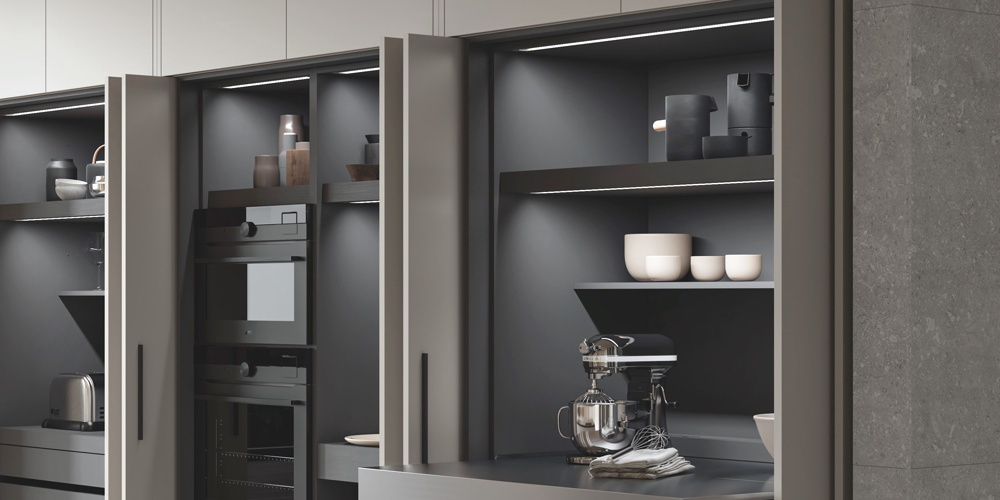
1. The Architectural Shift: From Visible Fixtures to Invisible Illumination
Historically, under-cabinet lighting presented a persistent compromise between aesthetic minimalism and photometric performance. Bulky housings, visible diode hot-spots, intrusive driver boxes, and harsh glare frequently disrupted clean sightlines. For custom millwork fabricators and interior architects, concealing legacy fixtures required adding deep drop-down lips or complex recess channels, which sacrificed storage capacity and increased manufacturing labor costs.
The 2027 design landscape marks the total end of this compromise. Advanced surface-mount and flush-recessed ultra slim cabinet luminaires now feature profile depths as thin as 5mm to 8mm, alongside edge-lit light guide panels (LGP) and micro-COB (Chip-on-Board) LED engine technology. This structural miniaturization enables complete visual concealment beneath upper cabinets, floating vanities, and display shelving—even at standing eye level or low-angle viewing positions.
When specified in high-end contract projects, architectural under cabinet lighting ceases to look like an appended light fixture. Instead, it produces a continuous, shadow-free plane of light that emphasizes wood grain textures, marble backsplashes, and metallic accents. Light becomes an intrinsic element of the furniture itself.
2. Engineering Excellence: Technical Standards for Custom Millwork Luminaires
To meet the stringent requirements of high-end commercial procurement, custom millwork luminaires must fulfill several rigorous technical, electrical, and thermal criteria:
- Photometric Precision & High Color Fidelity (High CRI & R9): In luxury kitchen and bath environments, color accuracy is paramount. Low-grade LEDs distort rich wood tones, butcher block surfaces, and premium stone slabs. Commercial-grade luminaries now deliver CRI ≥95 with R9 values >80, ensuring true-to-life color rendering. Multi-channel CCT selection (2700K to 5000K) allows contractors to tailor warmth to client preferences without managing multiple SKU inventories.
- Thermal Management & Extended Lifespan: Precision millwork is highly sensitive to heat accumulation. High-grade extruded 6063-T5 aluminum housing acts as a dual-purpose structural chassis and passive heat sink. By maintaining low junction temperatures, these luminaires protect delicate wooden veneers from thermal warping or finish discoloration while guaranteeing L70 operating lifespans exceeding 50,000 hours.
- Low-Voltage Modular Cabling & Rapid Jobsite Installation: Time on the jobsite directly impacts contractor margins. Modern commercial systems utilize plug-and-play quick-connect cabling, low-voltage Class 2 remote drivers, and daisy-chain linkability. This eliminates complex on-site soldering or tedious terminal block wiring, slashing installation hours for electrical contractors by up to 40%.
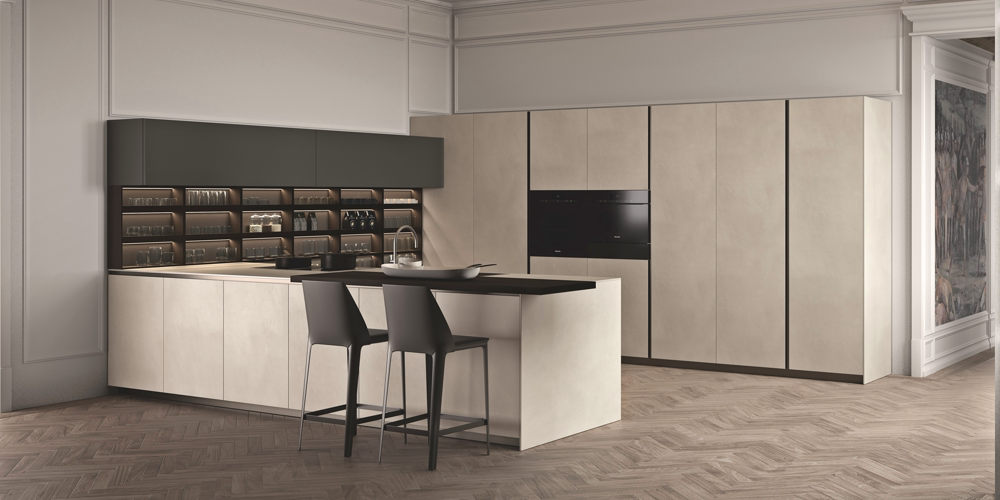
3. Elevating B2B Value: Why Premium Task Lighting Solutions Drive Profitability
For commercial procurement managers, wholesale lighting distributors, and kitchen cabinetry manufacturers, investing in premium task lighting solutions offers distinct competitive advantages across the supply chain:
- OEM Differentiation & Higher Margin Packages: Cabinet manufacturers that pre-route LED channels and bundle factory-installed under cabinet luminaries command higher wholesale margins. Providing a turn-key illuminated cabinetry package transforms a standard commodity product into an architectural-grade solution.
- Regulatory Compliance & Energy Certification: Specifying Title 24 JA8-compliant, Energy Star-certified, and UL/ETL-listed luminaires simplifies municipal code approvals for multi-family residential complexes and commercial hospitality builds across North America and Europe.
- Reduced Warranty & Servicing Claims: Engineered drivers with built-in surge protection, flicker-free dimming (down to 0.1% via TRIAC/ELV/0-10V or DALI), and IP44/IP65 ingress protection for humid bath environments dramatically reduce post-installation service calls.
4. 2027 Specification Takeaways for Lighting Buyers
As the market moves toward total architectural integration, under cabinet luminaries are no longer an afterthought—they are an essential pillar of millwork craftsmanship. B2B buyers who prioritize ultra-slim form factors, architectural-grade optical distribution, and certified reliability will capture greater market share in the rapidly expanding luxury residential and commercial sectors.
By partnering with experienced OEM/ODM lighting manufacturers who understand both photometric engineering and woodworking integration, distributors and specifiers can deliver lighting solutions that don’t just illuminate spaces, but elevate the commercial value of every project.
Post time: Sep-07-2026