


Premium Material Selection: Heavy-Duty Aluminum Housing vs. Plastic in Commercial Under Cabinet Luminaries
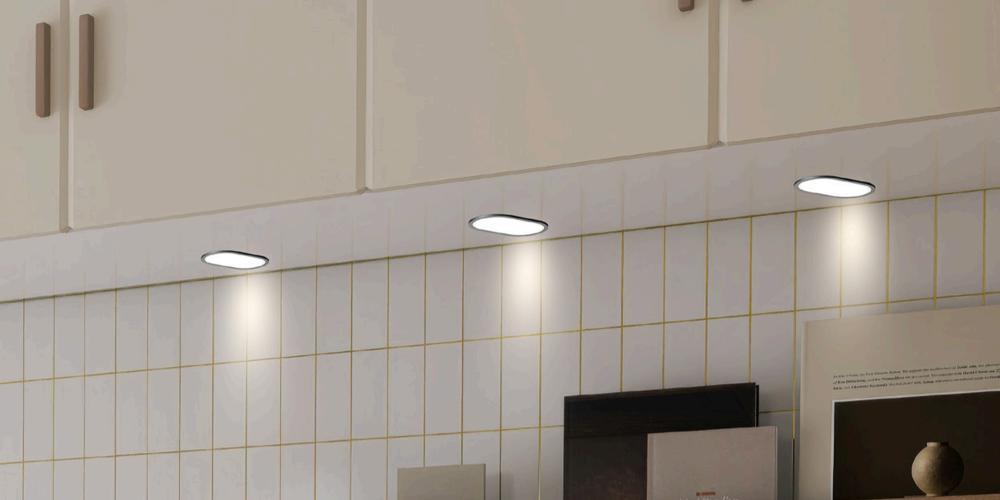
As a lighting engineer and industry consultant with years of experience evaluating architectural and commercial illumination systems, I frequently encounter a recurring dilemma among B2B procurement managers: selecting the right housing material for Under Cabinet Luminaries. While the initial cost of plastic extrusions may seem financially appealing, my professional experience dictates that material selection is the foundational pillar of long-term luminaire reliability. Today, I will rigorously analyze the performance gap between heavy-duty aluminum housing and standard plastic alternatives in commercial environments.
The Crucial Role of Thermal Management
The greatest enemy of any LED system is heat. In confined architectural spaces, poor heat dissipation inevitably leads to rapid lumen depreciation and premature driver failure. This is where Aluminum Housing Luminaries demonstrate their absolute superiority. Aluminum acts as an exceptional heat sink. By efficiently drawing thermal energy away from the LED diodes, an extruded aluminum chassis ensures the system operates within its optimal temperature parameters. I have analyzed numerous project failures where plastic housings, acting as thermal insulators rather than conductors, caused LED chips to degrade 40% faster than their aluminum counterparts.
Durability in Harsh Commercial Environments
When specifying fixtures for demanding environments, structural integrity cannot be compromised. Consider the harsh conditions of a commercial culinary space. Commercial Kitchen Luminaries must withstand extreme ambient heat, airborne grease, and routine physical impacts from cleaning protocols. Plastic housings are highly susceptible to becoming brittle, warping, and discoloring (yellowing) over time due to UV and thermal exposure. In stark contrast, specifying Heavy-Duty Cabinet Lights constructed with aircraft-grade aluminum guarantees a robust, impact-resistant fixture that maintains its structural and aesthetic integrity year after year, passing stringent safety and hygiene inspections with ease.
Long-Term ROI and Professional Aesthetics
From a B2B procurement perspective, Total Cost of Ownership (TCO) always supersedes the initial purchase price. The need to replace warped or failed plastic fixtures disrupts business operations and incurs exorbitant labor costs. Furthermore, high-end commercial real estate—such as luxury hotels, executive offices, and premium retail displays—demands an architectural finish. Premium Task Luminaries housed in anodized or powder-coated aluminum offer a sleek, minimalist, and substantial feel that plastic simply cannot replicate.
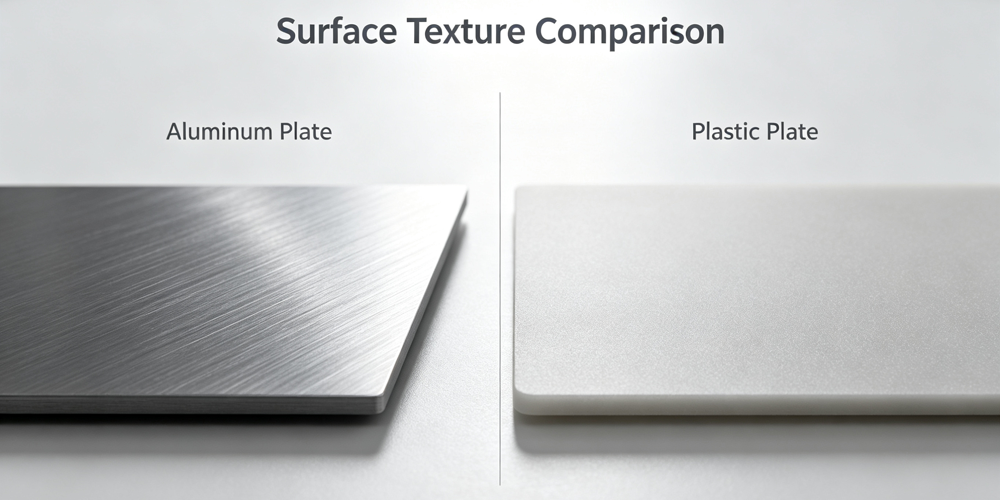
In conclusion, when specifying lighting for any commercial project, I strongly advise against compromising on structural materials. Investing in aluminum-housed Under Cabinet Luminaries is not merely an aesthetic choice; it is a calculated engineering decision that guarantees thermal stability, operational safety, and maximum return on investment.
Post time: Aug-07-2026