


Recessed vs. Surface Mount: How B2B Projects Choose the Right Under Cabinet Luminaries Installation
As a commercial lighting manufacturer deeply involved in architectural and residential joinery projects globally, we frequently advise procurement teams, interior contractors, and B2B distributors on optimizing task lighting solutions. Among all linear lighting specifications, the choice of installation method for Under Cabinet Luminaries remains a critical decision point that directly impacts aesthetic outcomes, site labor expenses, and overall project schedules.
When planning high-end joinery, project managers must carefully evaluate two primary installation styles: Embedded LED profile luminaires (recessed) and Surface mount cabinet lights. Both approaches deliver functional illumination, but their implementation requires distinct engineering considerations.
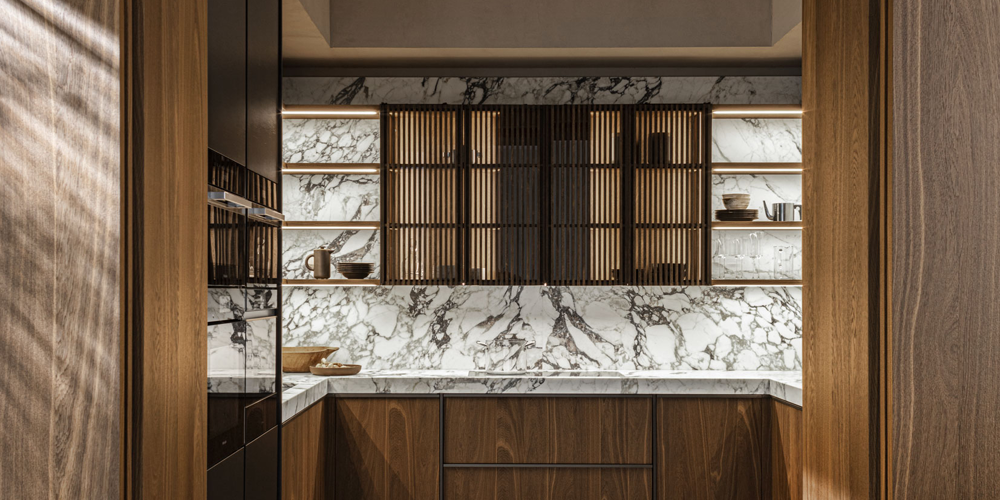
1. Embedded LED Profile Luminaires: Architectural Precision
For luxury residential developments, high-end hospitality suites, and custom commercial millwork, flush-mounted fixtures are often the gold standard. Embedded LED profile luminaires require pre-routed channels within the cabinetry panels during factory production.
From an engineering perspective, recessed mounting offers several distinct advantages:
- Seamless Integration: The fixture sits perfectly flat against the cabinet underside, eliminating visible hardware and maintaining clean visual lines.
- Enhanced Heat Dissipation: Aluminum extrusions recessed into wooden substrates or composite boards effectively channel heat away, prolonging LED chip lifespan and maintaining luminous efficacy over extended operation cycles.
- Glare Management: Recessed channels naturally provide deep shielding, reducing direct line-of-sight glare for task areas.
However, from a procurement perspective, recessed installations require early-stage planning and precise coordination with cabinet manufacturers. Router tolerance errors during panel fabrication can cause fitment delays during on-site assembly, making exact CAD profiles and standardized OEM manufacturing tolerances essential.
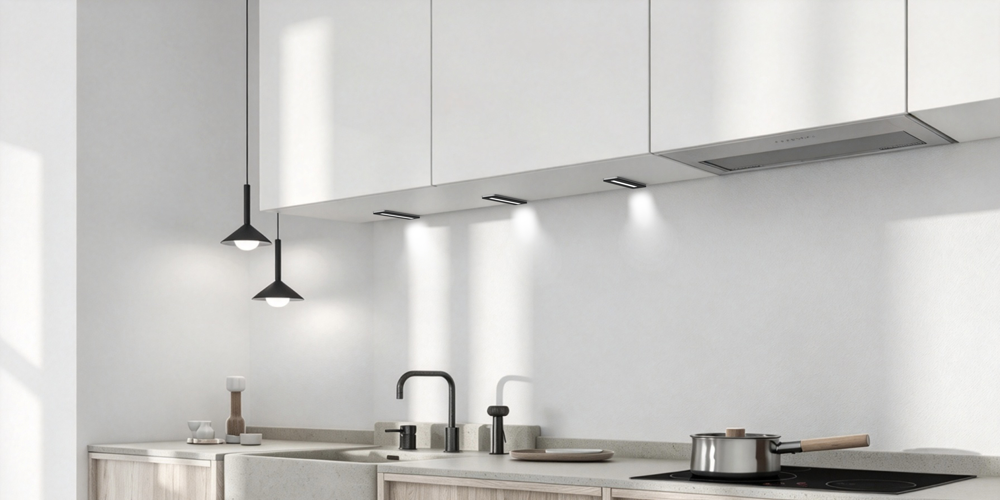
2. Surface Mount Cabinet Lights: Labor Efficiency and Retrofit Versatility
In fast-track commercial fit-outs, high-density residential developments, or retrofit projects, Surface mount cabinet lights present an exceptionally compelling value proposition. These fixtures attach directly to the underside of existing shelves or cabinets using mounting clips, magnetic brackets, or adhesive backing.
Key advantages of surface-mounted systems include:
- Lower Site Labor Costs: Installation requires no complex panel routing, significantly reducing skilled carpentry labor hours on-site.
- Universal Compatibility: They accommodate varying panel thicknesses, including thin solid wood or veneered substrates where routing might compromise structural integrity.
- Simplified Maintenance: Field replacement or driver swapping is straightforward, minimizing facility downtime in hotel or office breakroom environments.
Modern surface-mounted extrusions feature ultra-slim profiles (often under 8mm in height), bridging the gap between minimalist aesthetics and quick-install versatility.
3. Engineering Key Under-Counter Mounting Options for B2B Success
To provide a Flexible kitchen lighting design across diverse project portfolios, we engineering teams recommend assessing three primary operational factors prior to finalizing specifications:
- Substrate Material & Panel Thickness: Recessed housing typically requires a minimum panel depth of 15mm to 18mm to avoid compromising structural load capacity. For thinner substrates, surface mounting or shallow-depth micro-profiles should be specified.
- Wiring Concealment & Power Distribution: Recessed systems usually channel wires internally through pre-drilled cabinetry joinery, offering a completely hidden cable layout. Surface systems utilize ultra-slim jumper cables or rear-exit wire feeds, which require strategic placement near backsplashes or cabinet lips.
- Project Timeline & Labor Budget: If tight handover deadlines dominate the project constraints, surface-mounted modular plug-and-play systems significantly accelerate installation throughput.
Conclusion
Whether your project calls for the sleek, invisible lines of Embedded LED profile luminaires or the rapid deployment and cost efficiency of Surface mount cabinet lights, aligning fixture specifications with manufacturing workflows is vital. As an OEM/ODM manufacturing partner, we provide B2B clients with fully certified, customizable Under Cabinet Luminaries tailored to exact architectural and installation requirements, ensuring your commercial projects achieve both visual excellence and optimized total installed cost.
Post time: Nov-04-2026