


Why Minimalist Under Cabinet Luminaires Are Becoming Standard in High-End Residential Projects
As an OEM/ODM lighting manufacturer with years of engineering experience in architecture and interior illumination, we have witnessed a fundamental shift in luxury residential design. Over the past decade, high-end residential projects have moved away from bulky traditional fixtures toward seamless spatial integration. Today, high-performance, minimalist Under Cabinet Luminaires are no longer considered optional additions; they have become an absolute design standard in luxury kitchens, custom joinery, and high-end residential interiors.
From an engineering and B2B manufacturing perspective, this transition is driven by three core factors: physical form factor, optical precision, and the evolution of modern architectural aesthetics.
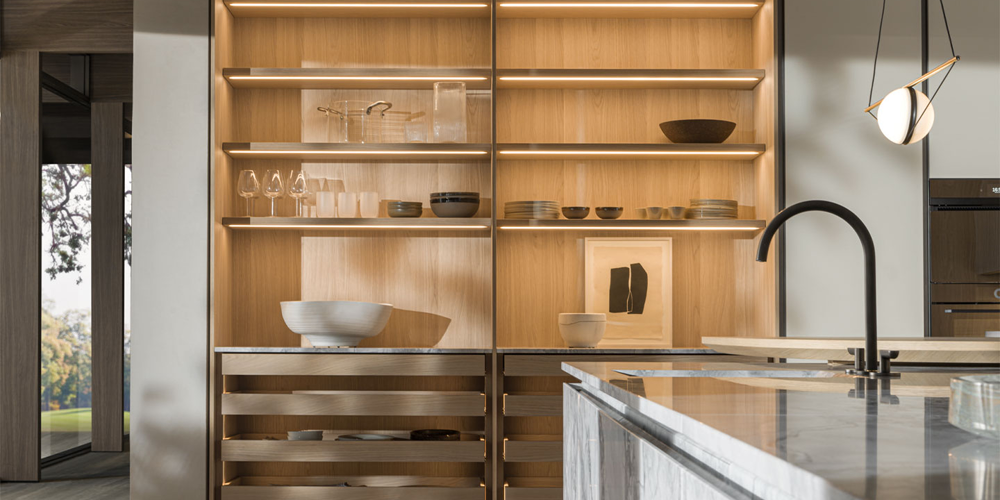
1. Concealed Aesthetics and Seamless Integration
In contemporary high-end residential design, the primary objective of task lighting is to deliver shadow-free illumination without visual clutter. Cabinet designers and interior architects demand lighting hardware that virtually disappears when integrated into joinery.
By utilizing extruded aluminum housings and ultra-thin profiles, modern Under Cabinet Luminaires can be easily recessed or surface-mounted with a minimal footprint. This invisible footprint allows the surrounding premium materials—such as natural marble countertops, book-matched timber veneers, and custom millwork—to take center stage, unobstructed by visible light fixtures.
2. Precision Illumination: The Superiority of Modern Linear Cabinet Lights
Traditional point-source cabinet puck lights often generate harsh glare, unnatural shadows, and uneven hot spots across polished kitchen surfaces. High-end residential spaces require smooth, continuous illumination across work surfaces.
Implementing Modern Linear Cabinet Lights resolves these technical optical challenges. Featuring high-density SMD LED arrays combined with continuous opal diffusers, these luminaires project an exceptionally uniform beam of light without visible diode speckling. Furthermore, with color rendering indices (CRI) exceeding 90 to 95 and tight MacAdam ellipse chromaticity control, they ensure that food textures, natural stone surfaces, and custom finishes are displayed in their true, natural richness.
3. Ergonomics and Task Efficiency via Slim LED Task Lights
Task illumination in residential spaces demands strict attention to human-centric lighting ergonomics. Kitchen countertops, prep areas, and home wet bars require precise illumination levels (typically 300–500 lux) to ensure user comfort and visual acuity.
Incorporating a Slim LED Task Light delivers high efficacy and optimal lumen output while keeping thermal management under control. Advanced thermal design using structural aluminum heat sinks prevents heat buildup under wooden cabinets, ensuring fixture longevity and maintaining stable color temperatures over tens of thousands of operating hours. This reliability reduces after-sales maintenance costs—a crucial concern for developers and contractors.
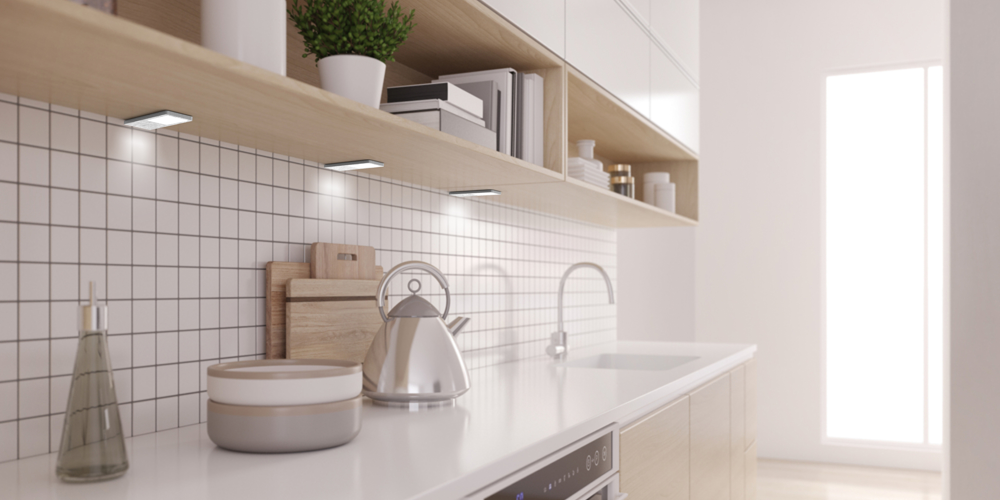
4. Design Recognition and Global Compliance
High-end residential projects in Europe, North America, and Australia demand products that combine international safety compliance with superior industrial design. Premium buyers look for fixtures recognized by international benchmarks, such as Red Dot Design Lighting standards, which signify an ideal balance between minimal form, user functionality, and structural innovation.
For B2B distributors and lighting specifiers, sourcing fixtures that align with high design standards simplifies project approval processes and enhances the overall perceived value of the property.
5. Strategic Sourcing via Residential Lighting Wholesale Channels
For real estate developers, lighting designers, and trade importers, consistency in manufacturing quality and supply chain reliability is essential. Working through specialized Residential Lighting Wholesale suppliers guarantees that all fixtures undergo rigorous quality control, including photobiological safety testing, dimming compatibility checks (Triac, 0-10V, DALI), and strict CCT consistency across batches.
Conclusion
The transition toward minimalist under-cabinet lighting is not merely a passing trend, but an architectural evolution. By combining ultra-slim form factors with superior optical performance and robust manufacturing standards, modern cabinet luminaires deliver the exact functional and aesthetic balance that luxury residential markets demand.
As a dedicated manufacturer, we remain committed to engineering innovative, high-reliability lighting solutions that empower our global B2B partners to succeed in the high-end architectural sector.
Post time: Sep-22-2026